
How Strategic Photography Drives Brand Engagement on Social Media

Storytelling photography goes beyond capturing beautiful images, it captures meaning. In today’s world where attention spans are only getting shorter, audiences don’t just want to see products; they want to see stories. And creating beautiful stories (and in turn honing trust with your audience) starts by showing, not telling.
Building an emotional connection between your brand and the consumers you are targeting can seem tricky to start with, but getting going with some high-quality imagery – whether it’s following a product or use case storyline, or simply an issue or situation your audience would relate to and associate to, is a great place to start.
At its core, storytelling photography is about using emotion, context, and character to bring a brand’s true values to life.
Why Storytelling Photography Resonates with Audiences
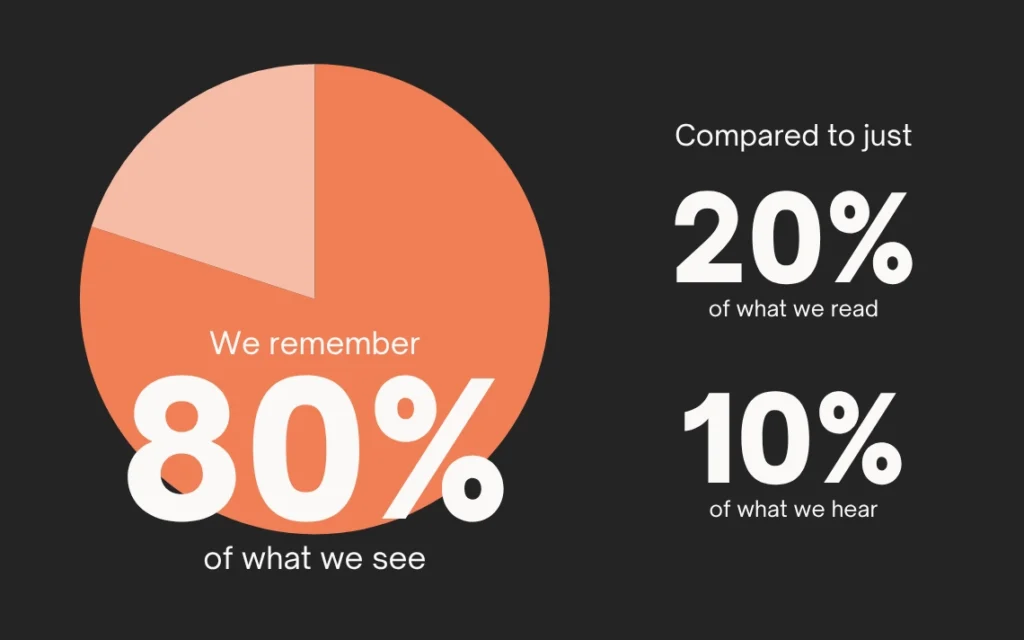
Humans are wired for stories – and visuals deliver them faster than words ever could. We naturally crave that connection, and a compelling photograph can make viewers feel part of the moment, not just observers of it.
Brands that embrace visual storytelling build trust through emotion rather than just promotion. For example, Coca-Cola’s “Share a Coke” campaign is a great use of storytelling photography and shows how it can help to transform a simple product into an emotional experience. By replacing the logo with popular names and encouraging people to share photos of their personalised bottles, Coca-Cola invited consumers to see themselves in the story.
The campaign’s imagery (candid shots of friends laughing, families celebrating, and moments of connection) captured genuine emotion rather than polished perfection. Each photograph became a mini-story of joy and belonging, reinforcing the brand’s core message of togetherness. This approach worked because it made the audience both the subject and the storyteller, proving that storytelling photography isn’t about the product itself, but about the human connection and moments it inspires.
Aligning Storytelling Photography with Brand Identity
Every image your brand shares is a statement, so making sure it aligns with your story and the story you’re hoping to tell is key. Storytelling photography should make the brand feel instantly recognisable, even without a logo. From tone and texture to lighting and colour, your visual choices speak volumes, so getting them right is vital.
Planning around use of lifestyle imagery and how consumers would view the brand (or how you’d like the brand to be viewed) will help you to accurately reflect both your brands values and your audience’s aspirations.
How to Plan a Storytelling Photoshoot
Great storytelling photography starts long before the shutter even clicks. Planning for a shoot centred around capturing stories through imagery allows for each shot to draw the most connection and emotion it possibly can, even if your brand’s focus is more spontaneous. Spoiler alert: the most spontaneous shots and stories will have had some planning behind them, even if the moment itself did occur naturally.
Begin with a brief that goes beyond logistics and focuses on emotion: what should your audience feel when they see these images? Define the story’s characters; whether they’re real customers, models, or team members and place them in settings that reflect your brand’s values and lifestyle. The smallest details help bring that story to life. At the same time, leave room for spontaneity; some of the most powerful storytelling images emerge from unscripted, authentic moments. Balancing intention with flexibility ensures that every frame not only looks beautiful but also feels genuine and aligned with your brand’s message.
Think of each photoshoot as a chapter in your brand’s visual story. Planning a shoot with intention ensures every frame contributes to your narrative and builds on what you’ve already created. When photographing live events or storytelling sessions, it helps to plan your shots around key moments. Giraffe’s Marketing an Event guide gives extra insight into how content is used before, during, and after an event.
Bringing Storytelling Photography to Social Media
Each social platform tells stories differently – and your photography should too. The way audiences consume and connect with visuals on Instagram, TikTok, or Pinterest varies, and your storytelling photography needs to adapt to those nuances. On Instagram, carousels can unfold a narrative frame by frame, allowing you to build a visual story with depth and progression. On TikTok, stills can anchor short-form storytelling, bridging the gap between motion and meaning. Consistency across platforms in tone, colour, and emotional style helps audiences instantly recognise your brand’s visual voice, no matter where they encounter it.
To make your storytelling photography work harder, optimise each image for the platform it lives on. Adjust aspect ratios, framing, and composition to suit different feeds, and combine professional photography with authentic UGC to create a balance between aspiration and relatability.
If you’re a photographer looking to get your story-driven images seen, check out Giraffe’s article How To Do Social Media For Photographers, which walks through platform-by-platform demographics and formats.
Pairing each image with a thoughtful, story-led caption adds context and emotional weight – turning a post into a narrative. A great example of this is National Geographic’s Instagram, where breathtaking photography is paired with concise yet powerful micro-stories. Each image captures a single moment in time, but together they form a larger tapestry of humanity, culture, and discovery, a masterclass in how to tell meaningful stories visually, one frame at a time.
Your customers are some of your best storytellers, harnessing UGC not only increases your brands reach but user-generated photography adds an authentic layer to your brand’s visual narrative. When audiences see real people in real moments, trust follows naturally; keeping on top of highlighting and rewarding UGC can be game-changing for brands looking to really connect with their audience and build natural storytelling into their marketing mix.
Measuring the Impact of Storytelling Photography
Beautiful visuals are only powerful when they drive measurable outcomes. Track engagement metrics that indicate emotional connection, not just impressions. These can include (but aren’t limited to):
- Engagement rates
- Saves – this metric can be key, depending on your product or offering
- Shares
- Conversion rates
A/B testing is a great way to reveal which images truly move your audience to action, and can be used across organic scheduling as well as paid campaigns.
The Future of Storytelling Photography
The next era of storytelling photography is blending artistry with technology. We’re expecting to see more documentary-style visuals, lo-fi aesthetics, and creator collaborations as brands across industries really start to hone their storytelling abilities. As AI and AR evolve, brands will also have new tools, but authenticity will remain the most powerful and vital lens for gaining genuine brand trust.
Conclusion: Turning Visuals Into Stories That Stick
Storytelling photography isn’t about perfection, it’s about connection. The most memorable brands don’t just share images; they share meaning. When every photograph is created with intention, your brand story becomes unforgettable, resonating long after someone scrolls past. The brands that thrive on social media are the ones that let their images speak human – showing emotion, authenticity, and purpose in every frame. By turning visuals into stories that feel real and relatable, you transform photography from a marketing tool into a bridge between your brand and your audience. And that’s where true engagement begins, not with pixels, but with people.
Want to take a more Human First approach to your marketing? We’d be happy to help shape your brands story, get in touch today. 🤝