
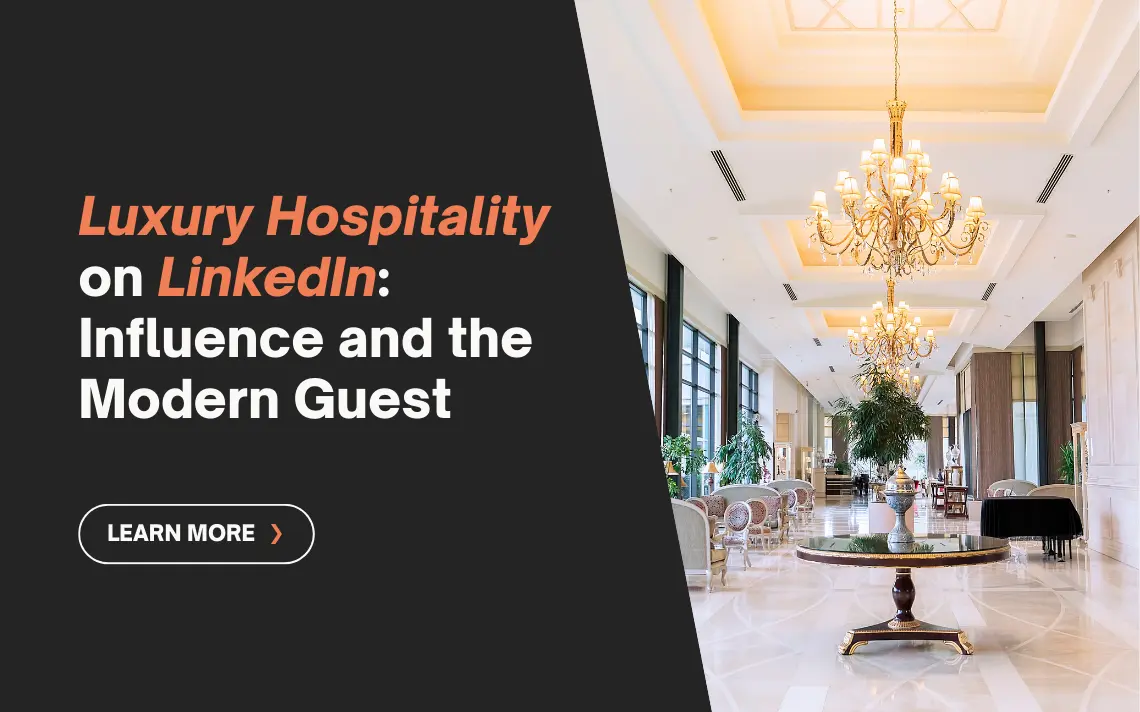

The modern luxury guest rarely has a clear separation between professional life and personal experience. Founders, executives, creatives and investors move fluidly between work, culture and travel. For luxury hospitality brands failing to show up in spaces these guests are already existing in is a huge missed opportunity.
LinkedIn isn’t traditionally associated with luxury hospitality. It’s seen as a platform for careers, business updates and professional networking. However, LinkedIn’s user base skews toward high-income, highly educated professionals, with executives from every Fortune 500 company active on the platform. This presents an opportunity not to market themselves, but to join in the conversation and show up in a way that reflects the values and worldviews of the guests they already serve.
Understanding the Modern Luxury Guest
Job titles alone don’t explain today’s luxury guest. They might be founders, executives, creatives and investors, or collectors, patrons, hosts, travellers and many more things. Their personal and professional lives are intertwined, shaping how they work and how they experience the world, and influencing their choices about where to spend their time.
Experiencing luxury hospitality for these guests is more about taste, values and cultural alignment than anything else. Where someone stays is often an extension of how they see themselves. It’s a reflection of their interests and the circles they move in.
This is why reputation matters so much in luxury hospitality. Trust is built gradually through repeated ideas and perspectives, and by associations that feel credible and relatable. LinkedIn plays a role in this as a platform where trust can be built. For many luxury guests, it’s already part of their daily routine, so it makes sense for luxury hospitality brands to have a presence on this platform to establish trust and relevance before the stay is even booked.
Influence over Promotion for Luxury Hospitality Brands
In luxury hospitality, brand presence should never be about direct selling. It should focus on reputation building and consistency.
On LinkedIn, the distinction between influence and promotion is particularly important. The platform is designed around expertise and credibility, rewarding contributions that add perspective. Influence is earned by sharing points of view that feel considered and relevant, and contributing to conversations that matter to the audience on the platform. In the context of luxury hospitality, this might mean speaking about hospitality as a craft, or reflecting on the cultural and social contexts that surround a destination.
This approach closely mirrors a broader shift in luxury marketing, where brands are moving away from surface-level storytelling and towards more human, values-led narratives.
What many brands get wrong is the perception that more posts mean more influence. This is not the case. In fact, posting less but with more intention can carry more value than frequent updates that prioritise visibility over substance. For luxury brands, this approach aligns naturally with expectations of quality and taste.
Thought Leadership in Luxury Hospitality
Thought leadership in luxury hospitality is about offering perspective and doing so in a way that feels natural and credible. For brands built on heritage and craft, authority comes from being selective about what they share.
The most effective luxury thought leadership often focuses on hospitality itself. Conversations around craftsmanship, service and the preservation of heritage allow brands to speak from experience. Similarly, reflections on things like design, art and architecture can position a destination within a wider cultural landscape, reinforcing its relevance.
Leadership voices play a particularly important role here. When executives and senior figures share insight, it humanises the brand while reinforcing its authority. Encouraging leaders to contribute in ways that reflect their expertise and values helps ensure these perspectives feel personal and credible.
Remember, effective thought leadership isn’t trying to dominate a conversation; just add to it. By engaging thoughtfully with ideas that matter to their audience, luxury hospitality brands can build influence through participation, earning trust and credibility over time.
Where Luxury Hospitality Meets Culture
Luxury hospitality is shaped by the place, culture and community. From the cities it’s based in, to the art and architecture it houses and the guests and team who keep it thriving.
LinkedIn offers a natural space for this kind of cultural storytelling. Collaborations with artists, designers, chefs and cultural institutions can be reframed as reflections of shared values and creative alignment. It allows luxury hospitality brands to position themselves within a wider cultural context. This is an important decision-making factor for many guests and, as a consequence, creates relevance and credibility and a sense of belonging within the worlds they already value.
Showcasing Without Selling
One of the concerns luxury hospitality brands often raise about platform strategy, especially on LinkedIn, is the fear of losing visibility on the property itself. However, showing the hotel doesn’t have to look like offers, calls to action or traditional sales language. In fact, for premium audiences, those tactics often feel out of place.
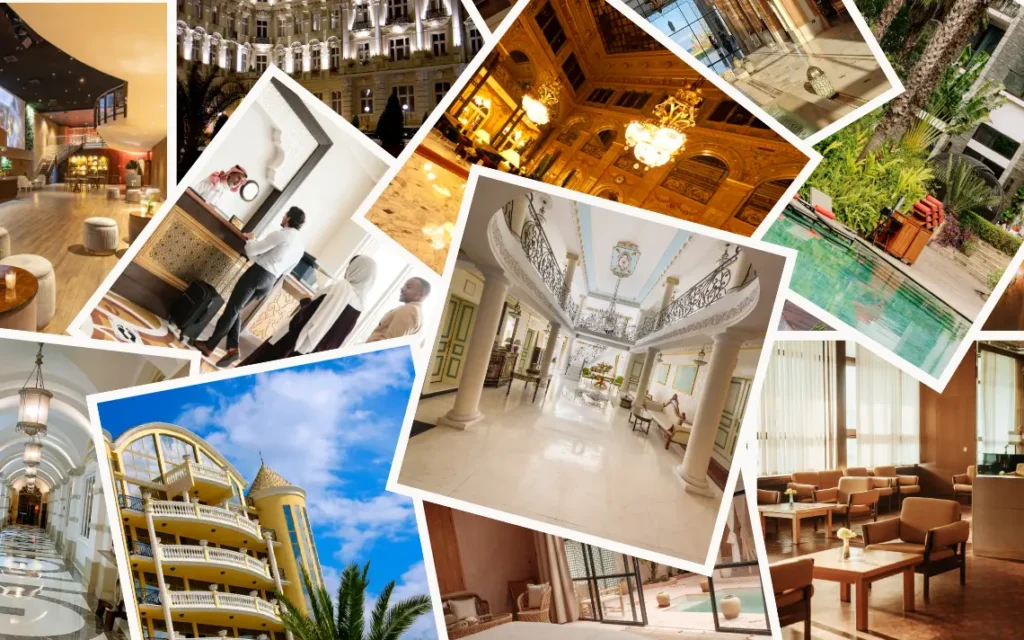
An approach that treats physical spaces as settings for stories rather than as commodities is often the most successful strategy. A suite isn’t shown as a “book now” asset, but as a place where evenings are remembered and quality time with a loved one is spent. A dining room isn’t featured as a menu, but is shown as a space where chefs and guests meet over shared appreciation of the food. Even a lobby can be framed as a meeting place that reflects local energy and design.
This contextual storytelling aligns with a larger content strategy that values intention over frequency. High-intent, purpose-driven content connects more deeply than frequent product pushes, especially on platforms where audiences are not actively looking to be marketed to.
Playing the Long Game
Influence on LinkedIn is rarely immediate, particularly for luxury hospitality brands. It builds gradually, through repetition and associations that feel credible and consistent over time. This isn’t a platform where success comes from quick wins or short bursts of activity.
For luxury brands, progress can be hard to see, but it is happening. Recognition grows as familiar voices begin to register and as audiences encounter a brand’s perspective repeatedly in different contexts. Trust follows when that perspective remains consistent and considered.
This is where luxury hospitality brands are at an advantage. Longevity, attention to detail and a clear point of view are already central to how these brands operate offline. Bringing those same principles to LinkedIn allows influence to build in a way that feels aligned with expectations of quality and restraint.
The aim isn’t to “win” LinkedIn or outpace competitors, but to show up consistently, thoughtfully and with intention. Over time, that presence becomes familiar and trusted, shaping perception before a stay is even considered.
How to Build Influence on LinkedIn Without Compromising Luxury
Building influence on LinkedIn comes down to your understanding of what the brand stands for. You don’t need to create content for the sake of it; all posts and interactions should be based on providing clarity and commentary with intention.
Define your Perspective and Audience
The first step is to define what your brand’s perspective is that you’re trying to convey to the audience. Influence grows when a luxury hospitality brand consistently returns to a clear point of view.
Whether that perspective centres on service philosophy, craftsmanship, cultural connection or design-led thinking, familiarity builds when audiences encounter the same ideas repeatedly over time.
You also need to decide on whose attention you are trying to grab. You don’t need to go after everyone on the platform; be selective in who you’re trying to target and what conversations they are already interested in. This will help your brand feel valuable and aligned to your target audience, rather than overly promotional.
Contribute Thoughtfully, Not Frequently
The good news is that to build influence on LinkedIn, you don’t need to post every day. You will see greater reputational success if you’re contributing to conversations that make sense to your brand and offer insight based on experience.
For example, you might create a post on a cultural collaboration your brand has done, or share a perspective from leadership on preserving heritage. These contributions add to the conversation without trying to lead it, and that restraint is what creates influence and trust.
Sharing every moment and event can be overwhelming and unnecessary. For luxury hospitality brands, being selective about what you share will actually strengthen perception. A small number of well-judged posts will build far more trust than frequent updates without intent.
Measure What Matters
Progress can sometimes be hard to gauge when the aim is influence. You can’t necessarily measure success with short-term engagement numbers that the platform provides. Influence tends to build through increased recognition and stronger brand associations.
Over time, this increased familiarity creates trust. A brand’s perspective becomes recognisable when your values are better understood. For luxury hospitality brands, this kind of influence is more valuable than short-term engagement and is what you should be using as a measure of success.
Conclusion
When approached with intention, LinkedIn offers an opportunity for alignment with the values, interests and cultural worlds that matter to a globally-minded audience.
It’s a space where brands can reinforce who they are, what they stand for and why they remain relevant. Used in the right way, it can become a natural extension of the luxury experience.