
What is Visual Merchandising?
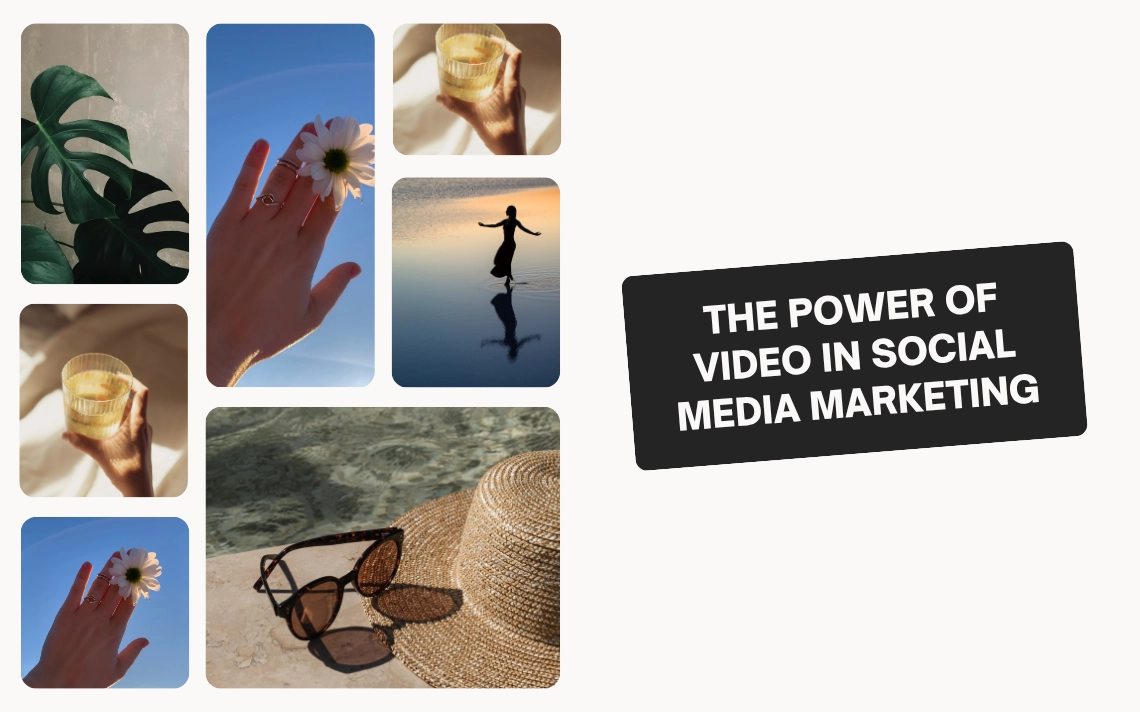
Visual merchandising is the practice of presenting products in a way that grabs attention, tells a story and encourages people to buy. Traditionally it meant shop windows, mannequins and store layouts. Today, much of it happens on social media, where video has become the main way brands show off products and shape buying decisions before a customer ever sets foot in a store.
Visual merchandising used to be just something we would experience when walking into a store: we would see the window displays, the mannequins and the way everything was laid out, and this was done in a way that not just showcased the products but actually put together elements to create an evocative retail experience.
Today, things are very different. For brands, social media is now the first point of contact that customers have with their brand, way before they ever walk into a physical store. But visual merchandising hasn’t gone anywhere; it has just evolved. Now, video content is the main way brands show their products and influence decisions online – this change is what we’re calling “Visual Merchandising 2.0.”
How Visual Merchandising Has Evolved Beyond the Shop Floor
Visual merchandising is not just about showcasing products, it’s about telling a story and taking customers on a journey. In stores this was done with the way the products were laid out and styled.
As the retail industry and the social media world evolved, brands had to find ways to bring the shopping experience to the digital world. At first, images were the go-to, but these didn’t always show the full picture. This is because although customers could see the product, they couldn’t understand how it would fit or how it could be used.
Video content changed this. With video, brands can show the texture, scale and functionality of a product in a way that photos cannot. They can also use models/creators to show how the product works and how it can be used.
Why Video Has Become Essential in Retail Social Media Marketing
There’s a reason why video content has become so popular in media – it’s because this is how people can naturally consume content and make decisions. Social media users desire a great variety in the content mix they see on social networking platforms. A video is a form of content that promises variety from click to click. Seeing a product in action made it easier to understand its purpose, texture, fit, etc., than just looking at a photo and trying to imagine how it works.
For brands, video content can help reduce hesitation to purchase as it answers questions before customers even have the chance to think about asking them, and it builds confidence and trust in the product and the company. This is especially important for shopping, where customers can easily get confused or unsure.
The algorithm also loves video formats which means platforms are pushing video content more and more, especially short-form video. When brands use this format consistently, they are more likely to be seen by customers and new audiences.

Reimagining Traditional Merchandising Principles Through Video
Although the main format has changed and evolved, the basics of merchandising are still the same. Seasonal themes, coordinated pieces, and colour theory are still important, they just need to be showcased and adapted on socials in a way that feels native to each platform.
Video editing can also help direct the customers’ attention, just as a physical layout would. For example, instead of posting a single photo of a new product, a brand might release a series of videos that introduce the product/collection gradually. This reflects the experience of walking into a store and seeing the products one at a time.
The Shift Towards Authentic, Everyday Video Content
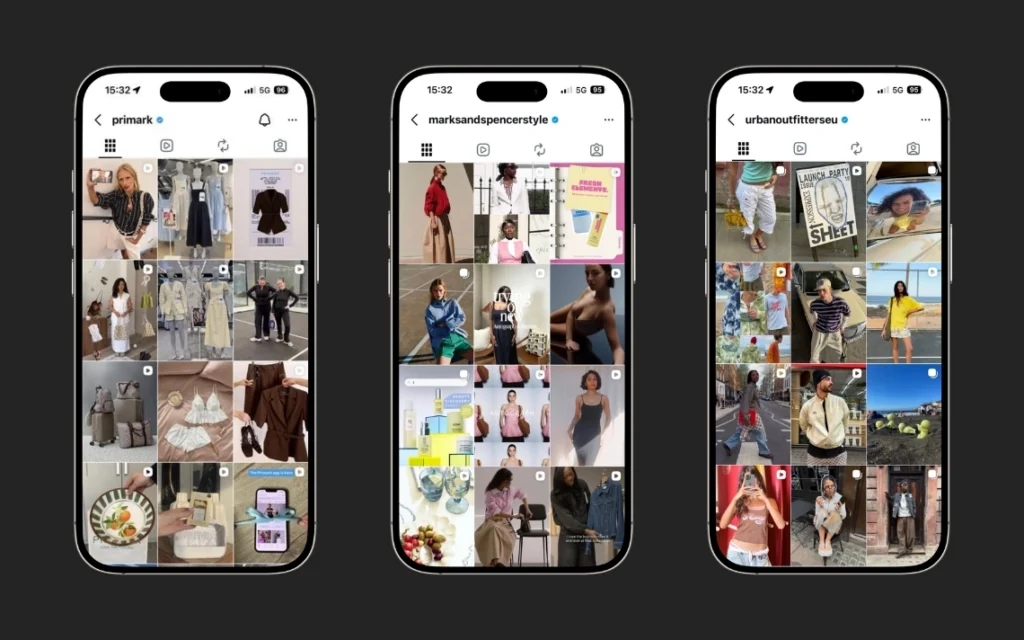
One of the most significant changes we’ve seen in the social space when it comes to video formats has been the stepping away from overly polished content. Even though high‑production campaigns still have a place in media, customers are more drawn to videos that feel real and relatable.
A simple video shot on a phone can often outperform studio‑produced content. Why? Because it feels real. People want to see how the products fit into their everyday lives, not just how they look in perfect conditions. Showing customers how to use the products, how to style them and how they fit into a regular day-to-day, allows them to understand what they’re buying. These videos don’t need to be perfect, they just need to have clear visuals and feel organic.

Platform Behaviour Shapes How Visual Merchandising Should Be Made
The same video content won’t perform on every platform. Each social channel has its own style, audience habits, cultures, and expectations, and successful brands adjust their strategy to fit each of them.
Platforms like TikTok and Instagram prioritise short-form, engaging and native-like content. Here, audiences will expect each product to be presented with creativity and entertainment first, with content showing up naturally rather than feeling forced.
Longer‑form platforms like YouTube allow brands to go deeper and show products in detail, explain their benefits, or share longer brand stories without feeling rushed.
Short-Form Video and the Changing Path to Purchase
Short‑form video has changed how audiences find new products. Rather than searching with a plan/purpose, customers often come across products organically while scrolling through their feeds.
This means the selling point usually happens sooner and more subtly. A video might not ask someone to make a purchase, but it plants the seed. Over time, that recognition can turn into a desire to buy.
Instead of focusing exclusively on direct conversions, visual merchandising through video becomes about inspiration and memory – it influences decisions before consumers even realise they’re being influenced.
How to Measure Success Without Losing the Bigger Picture
Yes, creativity is still at the forefront, but the reality is that content needs to perform. Brands should look beyond metrics like views and instead focus on engagements that show intention.
Instead of just views and likes, metrics like watch time, saves, comments, and click‑through rates often give more insight into whether content is genuinely connecting with the audience. Context also matters, and brand awareness content should be measured differently from sales-related posts.
Understanding what success looks like for each piece of content will help brands refine their strategy without chasing viral moments that don’t actually offer long-term value. That kind of ongoing refinement, tracking the right metrics and adjusting accordingly, is really the day-to-day discipline of good social media management, not a one-off analysis.
Challenges Brands Face with Video Content
Despite its effectiveness, this format can feel intimidating for some (especially for smaller teams). Limited time, restricted budgets, and uncertainty around what will work can often slow progress.
The good news is that video doesn’t need to be complicated. By planning ahead, reusing footage across platforms, and sticking to a set of repeatable concepts, brands can make content creation far easier. This is often where a social media content agency earns its place too, not to make things more polished, but to build a repeatable system so content creation stops feeling like it starts from zero every time. For example, if something works on TikTok, brands should be repurposing that content across Instagram and their other social media platforms.
What brands need to keep in mind is that consistency matters more than perfection. A steady stream of valuable clips that feel familiar and part of the brand will almost always outperform irregular bursts of overproduced content.
The Future of Visual Merchandising
As technology evolves, video will continue to shape how brands present themselves and their products. Live shopping, interactive formats, and augmented reality are already driving visual merchandising into new territories.
These tools bring digital retail closer to the experience of in‑store shopping, while maintaining the space and accessibility of social media. However, the goals are the same as they’ve always been: to inspire trust, steer intention, and help consumers envision products in their lives – and video makes that possible.
Conclusion
In conclusion, visual merchandising hasn’t gone anywhere, it has just evolved to match how people shop today.
With social media now being a primary discovery channel, video has become the most influential way for brands to bring their products to life online, and by using video as an extension of traditional merchandising rather than a separate domain, brands can create content that feels genuine, valuable, and engaging.
The brands that succeed will be those that use video not just to drive sales, but to genuinely support the consumer experience and build a community. If you want help turning your product visuals into video content that actually performs, we’re a social media agency that can help, get in touch to find out more.