
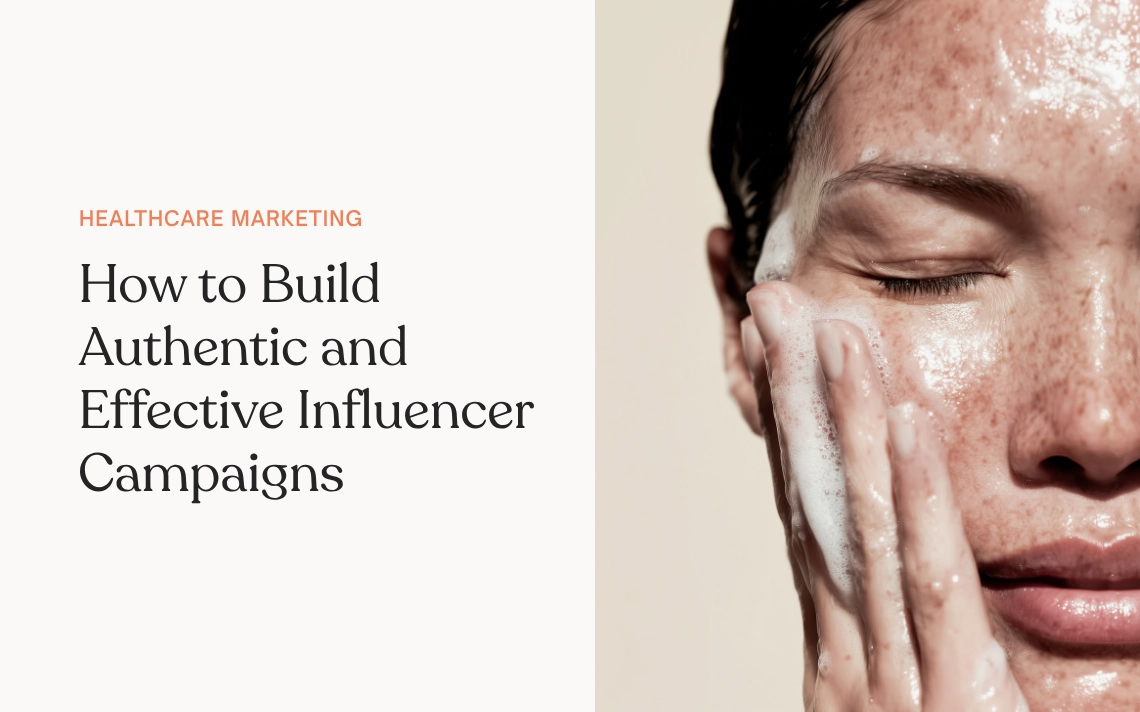
Throughout the years, the role of influencers in personal care marketing has shifted. We used to see glossy high-production TV campaigns, big celebrities, and crisp content. With the evolution of social media and influencers, we have seen a huge shift to how personal care is being marketed and a heavy focus on influencers.
We aim to examine the current role of influencers in personal care marketing and how to craft authentic, impactful campaigns with them. For brands or agencies in this sector, leveraging influencers is no longer optional but a crucial factor for growth.
In this article, we will break down how best to use influencers in the personal care industry in an authentic, human way. We will explore how to find the right influencers, what it means to be truly authentic, and how to build a campaign that not only feels real and human but also delivers results. As a social media agency, we are all about human first marketing, we are here to help you make authentic content that resonates with your audience.

Why Do Influencers Matter In Personal Care Marketing?
The personal care industry covers everything from hair, skin, and nails to body care, hygiene, grooming, toiletries, and more; these are intimate products that customers take extremely seriously. Which means, when selling these products, trust is everything. People, especially nowadays, are cautious of what they are being sold; they want to trust the brand and the messaging being pushed. Influencers play a huge role in building that trust; they feel like friends, not celebrities.
Influencers are so powerful within the personal care industry that they bridge the gap between clinical claims and everyday reality. Whilst an advertisement can say “see visible results in 7 days”, when an influencer shows you their real results in 7 days, blemishes and all, it feels believable and real. The audience can begin to trust the claims and desire the same results for themselves. Influencers can also make complex topics more approachable. Ingredients, pH levels and product types can be confusing; a good influencer will explain them in simple terms the audience can understand. Sometimes, they can even show it rather than explaining it.
There is also behavioural science behind this; people are more likely to make a purchase when it has been recommended by someone else, especially if that person shares their hair, skin tone, skin type, or lifestyle. That “someone like me” factor is where influencer marketing shines. The best campaigns lean into this by choosing influencers who match their audience demographics and by using a diverse range of influencers to include a range of individuals.
Types of Influencers in Personal Care
There is a range of types of influencers, from big to small, who all have different strengths. Understanding the different types helps you to find the right influencer for your campaign without just selecting whoever is big on TikTok or Instagram. Getting this right is really the core of good influencer marketing, matching the influencer type to the actual goal, not just the follower count.
Micro and Nano Influencers
Micro and Nano influencers can make some of the most engaging and effective campaigns; they usually have the highest engagement. Whilst they have a smaller audience, typically between 1k- 100k, their comment sections are filled with real conversations. In personal care marketing, a strong community translates into better trust and better engagement. Use these types of influencers if you want honest, detailed product reviews that don’t feel scripted, niche communities like acne-prone skin, curly hair, menopausal, sensitive skin etc, and early feedback on products.
As these influencers are close with their audience, their content will spark conversations, DMs and follow up videos.
Mid and Macro Influencers
Mid and Macro influencers have a larger following, which tends to bring more scale and momentum. In personal care, these are the influencers people quote when they say, “I saw X talk about this moisturiser.” These influencers are great if you want to launch a new product line with clear messaging, shift brand perception, or anchor a hero campaign across multiple platforms. The key with these types of influencers is to get multiple pieces of content over a few months to make them feel part of the brand and build a genuine relationship so their audience can become familiar with the brand.
Expert Influencers
Expert influencers are already established in the industry, with credibility and knowledge in their field. Dermatologists, cosmetic chemists, aestheticians, hairdressers, and make-up artists have all become central to the personal care industry. They are the ones people turn to for advice and expertise when feeling overwhelmed by choice. You should lean on experts when you want to explain ingredients or scientific jargon without losing the audience’s interest, when you want to position your brand as evidence-based, or when you are entering a sensitive category, e.g. acne, hair loss, intimate care.
Their voices add credibility and expertise, which builds trust. It is important to respect their boundaries and remember they are the experts, so let them lead on what is safe and what the benefits are, without overpromising. In practice, content such as “how it works,” explanations, or product breakdowns will work best for these influencers.

What Authenticity Actually Looks Like In Personal Care
“Authenticity” is one of those words which is overused but not really explained properly. In personal care, authenticity really matters. It is not about raw lighting alone or “I love this” captions, but whether the creator genuinely likes and uses the product, even if they weren’t being paid.
One of the strongest signals of authenticity is community. If one day an influencer switches up their favourite shampoo to a new one, their audience is going to notice. If the influencer says, “I have been loving this shampoo for years, but recently added this one to my routine,” that feels more authentic.
Transparency is also important here. Influencers in personal care must disclose if they are being paid or if a product is gifted. Audiences don’t mind sponsored posts as long as the creator is upfront and honest. When a creator says, “This product is gifted, but I would tell you if I didn’t like it”, the audience feels like they can trust their opinion, and the partnership feels organic.
There is also an aesthetic dimension to authenticity. High-production, polished shoots can work for brand channels, but for personal care content, showing blemishes, imperfections, real bathrooms, and awkward angles resonates best. This doesn’t mean sloppy or poor quality, but recognising that we are all human. As a brand, your job is to brief for this, not push against it.
How To Choose The Right Influencers In Personal Care
Choosing the right influencer can make or break a campaign. When choosing an influencer for a campaign, it isn’t all about follower count, there is a clear framework to look at.

Aligning Values And Brand Positioning
Start by looking at your own brand positioning, are you more science-based, minimalist, family-based or luxury? Your influencers need to match that. An influencer who is known for budget-friendly hacks isn’t going to be suited to a luxury skincare brand, and a high glamour creator talking about minimalist makeup may not be believable.
Take a look at the influencer’s social media and see how they talk about products, and see what kind of content they post. Do they focus on aesthetics or science-based facts? Do they focus on sustainability? If you have to force a connection with the influencer and your brand, then it will probably feel forced on the feed.
Audience, Not Reach
Next, go deeper into the audience. In personal care, it is important that your audience shares similar skin concerns or is at a similar life stage as your creator. Ask for anonymised demographic data where possible, but also, don’t ignore what you can’t see with your eyes. Take a look at your comments, see what your audience is speaking about, are they asking questions relating to skin concerns, ingredients, how it works, etc?
Are the creators’ audience asking similar questions, or are they just adding emojis? Do their followers share their opinions? If so, this is a sign of a strong community that trusts the creator’s opinion and is willing to take action.
Content Fit and Format
Lastly, look at the format they are using. The personal care industry is rich with daily routines, shelfie breakdowns, ingredient explainers, product comparisons, transformations, day in the lives, get ready with mes. Some creators excel with quick, snappy reels, whilst others focus on longer form, chatty YouTube videos. It is crucial to match the type of content you want to a creator who is already doing well with that format.
If you are planning on doing a 30-day challenge using a product, then you need to go for someone who is consistent, confident speaking on camera and used to documenting progress over time. If you are looking for a detailed “how this product works” style video then go for the experts and educators.
Building Human First Influencer Campaigns In Personal Care
Influencers in personal care can be really powerful because they build trust and reach wider audiences that may not know your brand. When you work with them thoughtfully, you are tapping into real relationships and lived experiences.
When building strong influencer campaigns, it’s important to focus on three things. First, don’t choose influencers based on following, but who is going to best resonate with your audience; small audiences usually have the best engagement. Second, choose creators whose values, audience and format align with your brand. Third, design campaigns that mirror real routines and personal stories.
If you are a personal care brand or marketer looking to tighten your influencer strategy, start small but choose influential creators, refine your creator criteria, refine your influencer marketing briefs and commit to a handful of partnerships that really matter. If done right, your use of influencers will not just sell products but build a brand that people trust with their skin, hair and everyday essentials.
Want to discuss how you can create an influencer campaign that will resonate with your brand’s audience? Get in touch with Giraffe today.