— Case Study
Is it possible for social media to become a consistent revenue channel?
Mr Clutch Autocentres didn't want social to just look busy. They wanted it to bring in bookings, and to know for certain it was working.
As a team who believe every pound of ad spend should be able to prove itself, we saw an opportunity to turn social from a guessing game into a genuine revenue channel. Here's how we did it.
The Challenge
Mr Clutch wanted social media to actively bring in bookings, not just maintain a presence. But the return on ad spend wasn't there to back it up, and comments were piling up faster than the team could ever keep on top of them.
The Diagnosis
The problem wasn't a lack of activity - it was a lack of proof and a lack of process. Without reliable tracking, nobody could say for certain whether paid social was actually working. And without a system for handling the volume of comments coming in, engagement was becoming a liability instead of an opportunity. Social needed to become measurable and manageable at the same time.
What We Did
We built a paid strategy across all three stages of the funnel, then put tracking in place so every pound of return was measured, not assumed.
Alongside the paid strategy, we built out a customer response manual, growing it over time until the team had a clear, ready answer for any comment that came in.
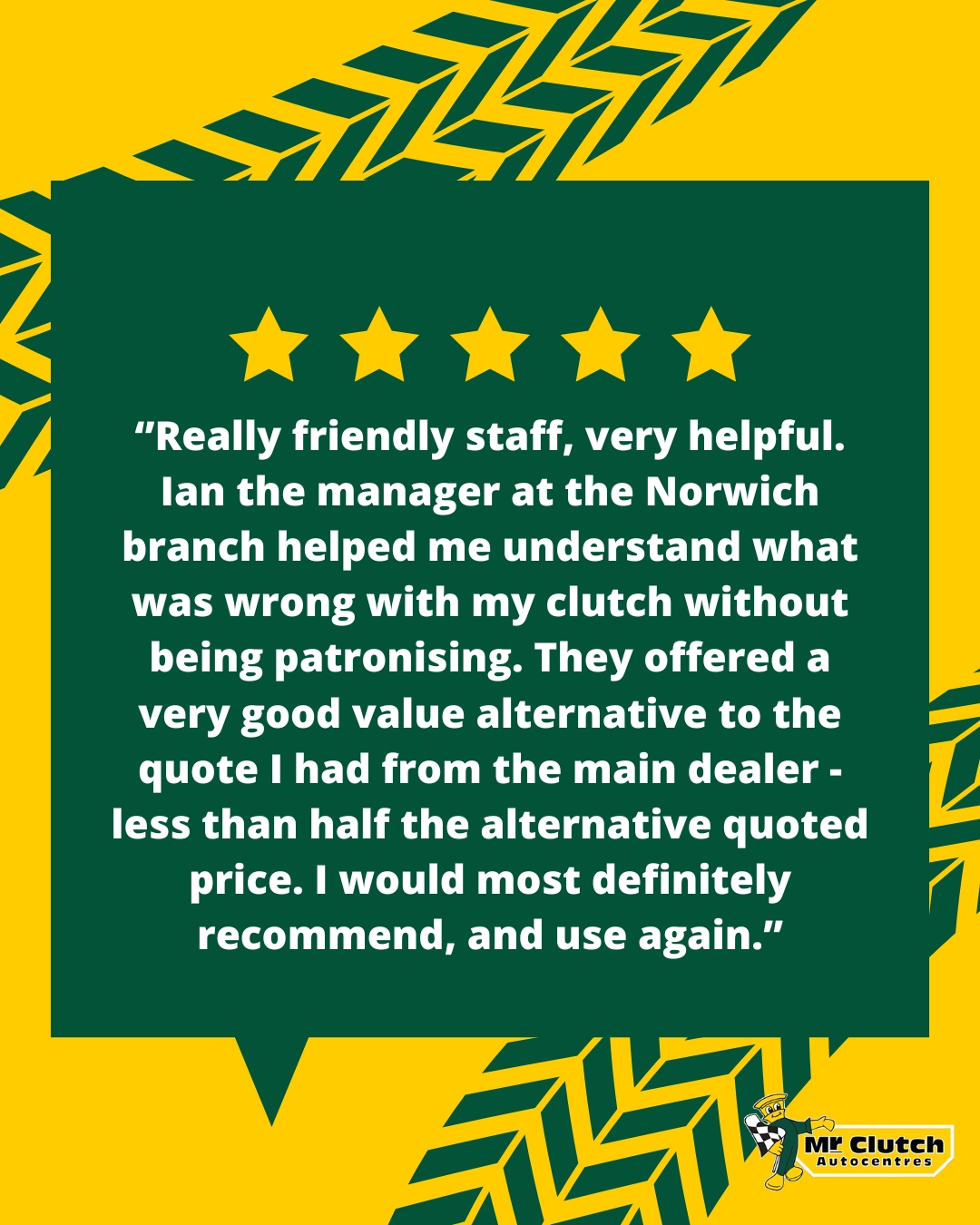
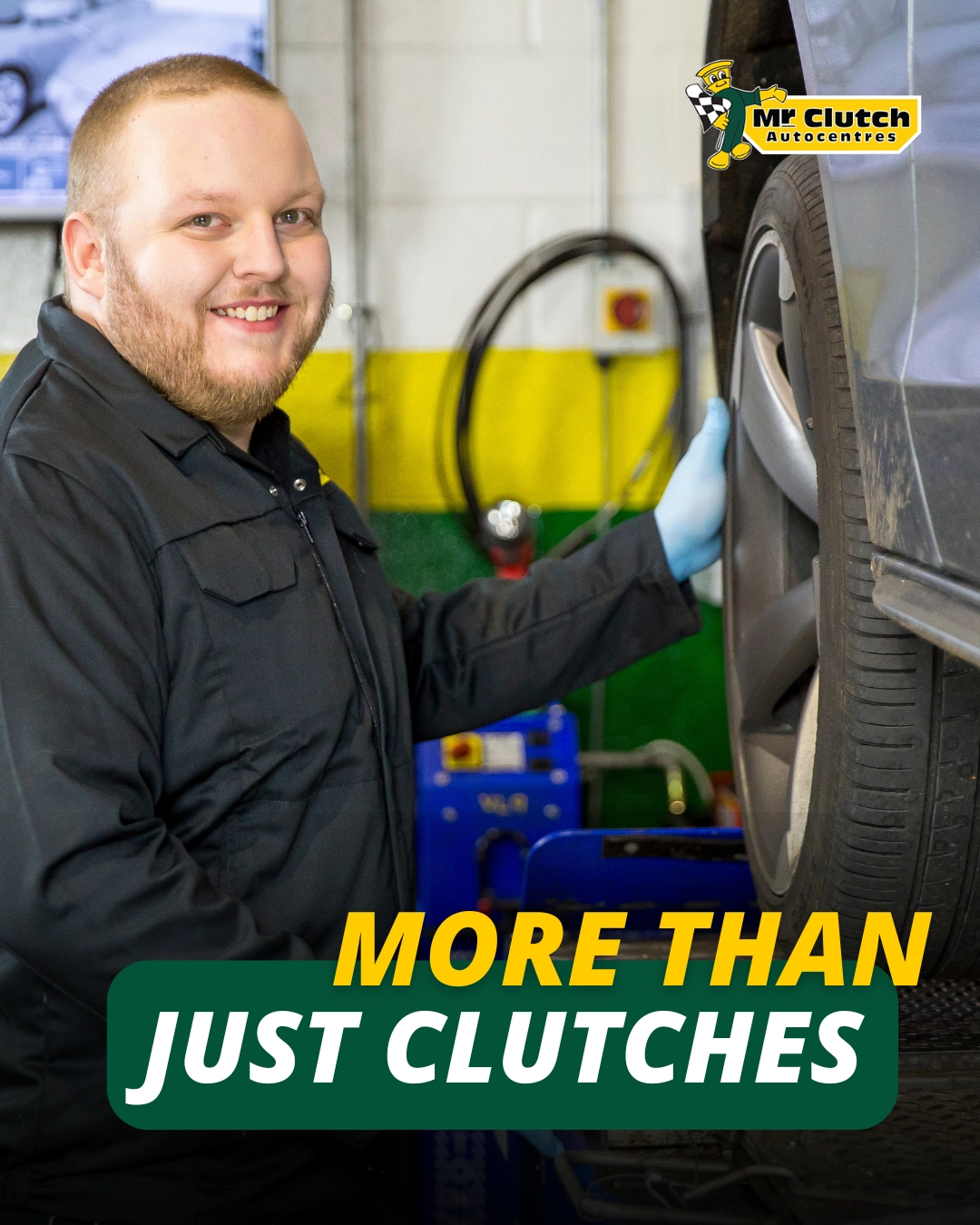
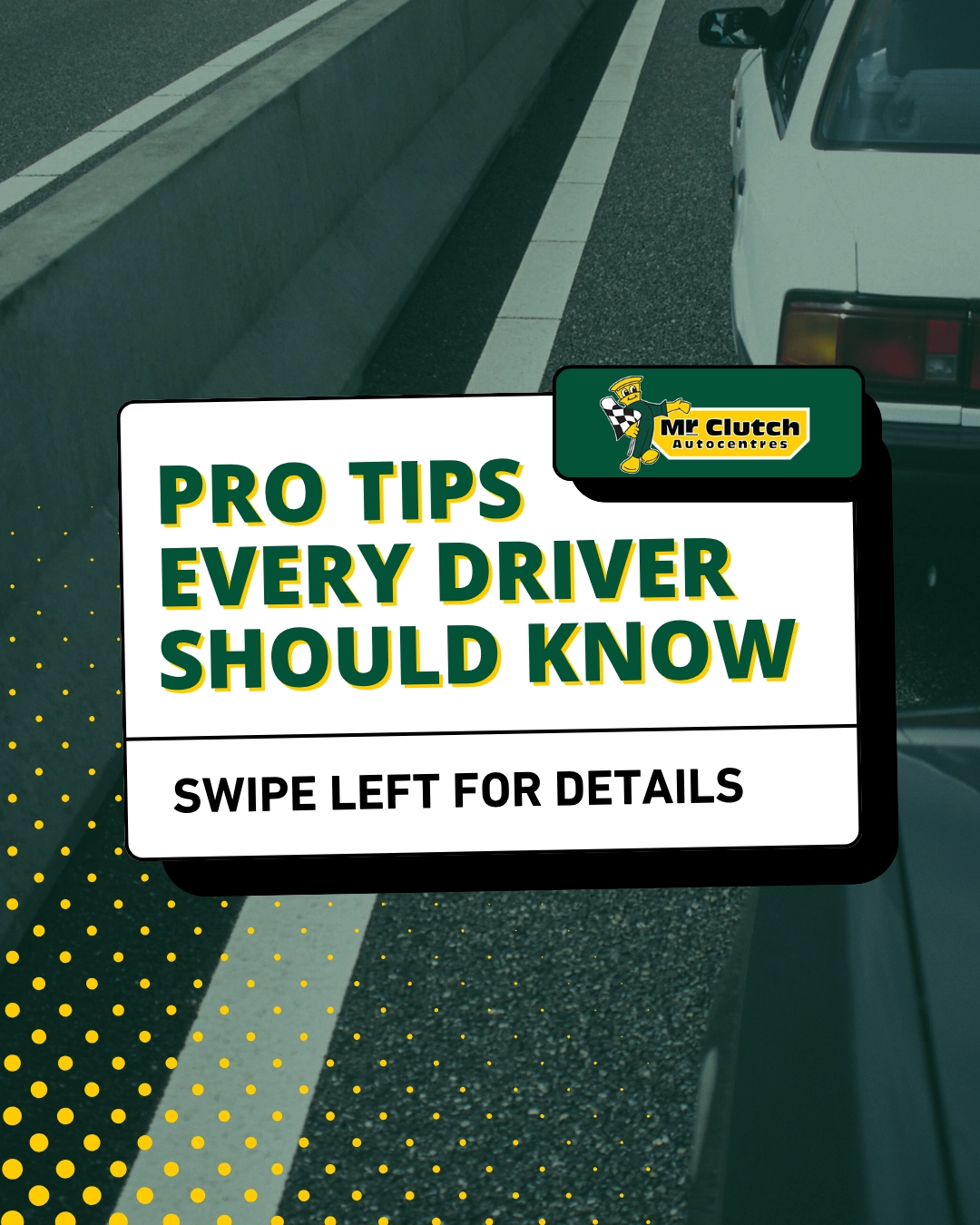
Together, this turned social from a question mark into a channel with a number attached to it - practical content on car parts and warning signs, genuine reviews, seasonal prompts, and product-focused tyre and booking content all worked together to keep driving people toward a booking.

The results are in
Over a 12-month period, Mr Clutch's paid social went from an unproven cost to a measurable, high-performing revenue channel.

Better creative begins with a conversation.
We'll listen to what you're trying to achieve and show you what's possible.