

Influencer briefs have become a core part of skincare marketing. However, despite the rapid expansion of influencer marketing in the personal care industry, many Influencer Briefs are still ambiguous, disorganised, and far too generic. This results in content that may look highly refined but does little to provide any real-world commercial value.
Everything in the skincare industry is based on trust, education, and results. Unclear guidance is simply too costly. Consumers of personal care products are educated and know their ingredients. They need clarity, proof, and transparency. For influencer marketing to be truly impactful, the Influencer Brief must evolve from being just a tool for guidance into a guide for success.
This article explores why skincare brands need clearer creative direction, well-defined objectives, and more strategic thinking when developing influencer briefs.
Why Influencer Briefs Matter More in Skincare Marketing
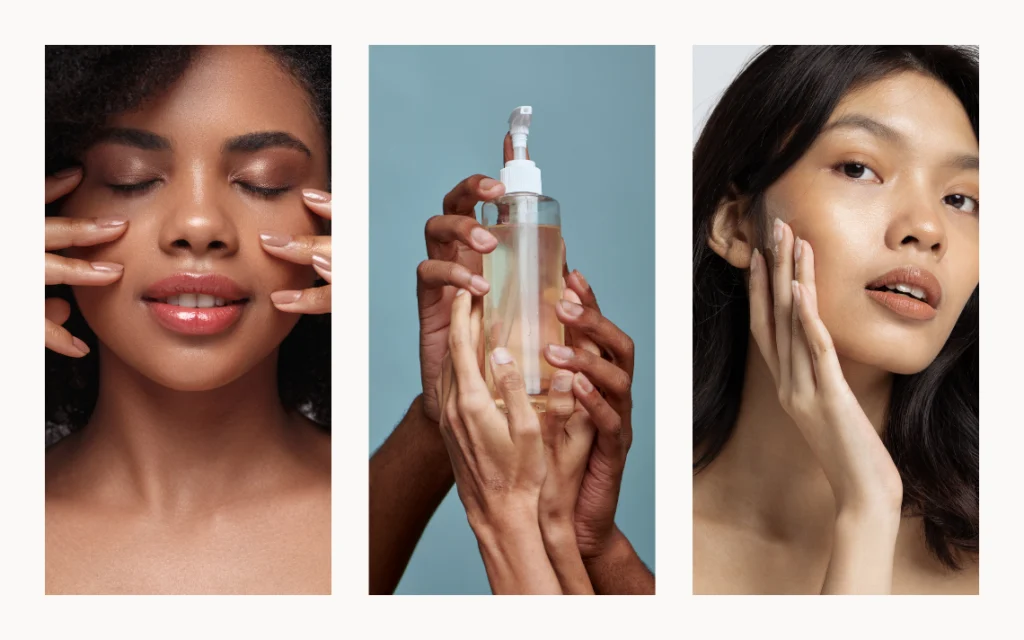
Skincare is considered a high-consideration category. Skincare is not just a product; when people buy it, they buy a routine, some results, and, in some cases, self-confidence. Unlike other fast-moving consumer goods, skincare requires research, comparisons, and even multiple content exposure until the point of conversion.
Therefore, Influencer Briefs play an especially important role in skincare marketing campaigns. Without a proper brief, the content creator may concentrate on the aesthetics of the image rather than the message. Although beautiful shelf shots and warm lighting might be very engaging, without proper education and differentiation, they would never lead to purchase. At the same time, overly tight briefs would take all the authenticity away from the content. When the viewer feels that the person speaks either by rote or as a textbook, they would quickly lose interest in the video. The key question is how to guide. An ideal skincare brief lies somewhere between science and storytelling. It gives enough information about the product to talk about it with confidence yet leaves the room for creative freedom. If done right, Influencer Briefs could turn an average brand mention campaign into a fascinating story.
The Commercial Risk of Vague Creative Direction
Ambiguity in Influencer Briefs is not just a couple of small differences. It will affect return on investment. In case there are no set expectations, the strategy behind the campaign will be lost.
In case there is no objective set by the brand, the creators will default to something that works in social media, and that is engagement. However, engagement does not necessarily equal sales. Even if a video receives millions of views, it might not bring any sales if the message of the video does not emphasise the benefit of the product.
The objective of the campaign needs to be clear in order to create content that brings results. Is it to make people aware about a new product launch, to send traffic to a certain product page, or to push them to try the product using special codes? Different objectives require different styles of content creation.
The Influencer Briefs need to communicate that from the beginning. When the content creators have identified the purpose for which the content should be created, they can build the story around it. For a conversion-based campaign, the focus would be on the results, proof, and urgency. An awareness-based campaign could emphasise storytelling and branding.
Lack of results leads to shallow reporting because the brands are satisfied with the number of impressions and comments without caring whether the prospects are closer to conversion.
Educating Creators on Product Nuance
Skincare products are usually multifaceted. They demand a certain amount of formulation, understanding of ingredients, and usage. If there is no education of the products in the Influencer Briefs, creators will find themselves in a situation where they will have oversimplified or misrepresented their benefits.
Let’s take, for example, active ingredients like retinoids, vitamin C, or exfoliating acids. They require a certain context. Viewers need to know how to use these ingredients, what to expect from them, and whether they are right for them. Otherwise, the content might appear too vague or even misleading.
A good Influencer Brief should discuss the product’s position in a routine, the realistic timeline for achieving results, and the target customer. This information enables creators to seamlessly position their product within their existing content without compromising on facts. It is essential to remember that education should never be a script. The aim of including detailed information in Influencer Briefs is to empower creators with confidence, not to stifle their voice. When creators are well-informed about a product, their content appears more authentic and credible.
Finding the Balance Between Control and Authenticity
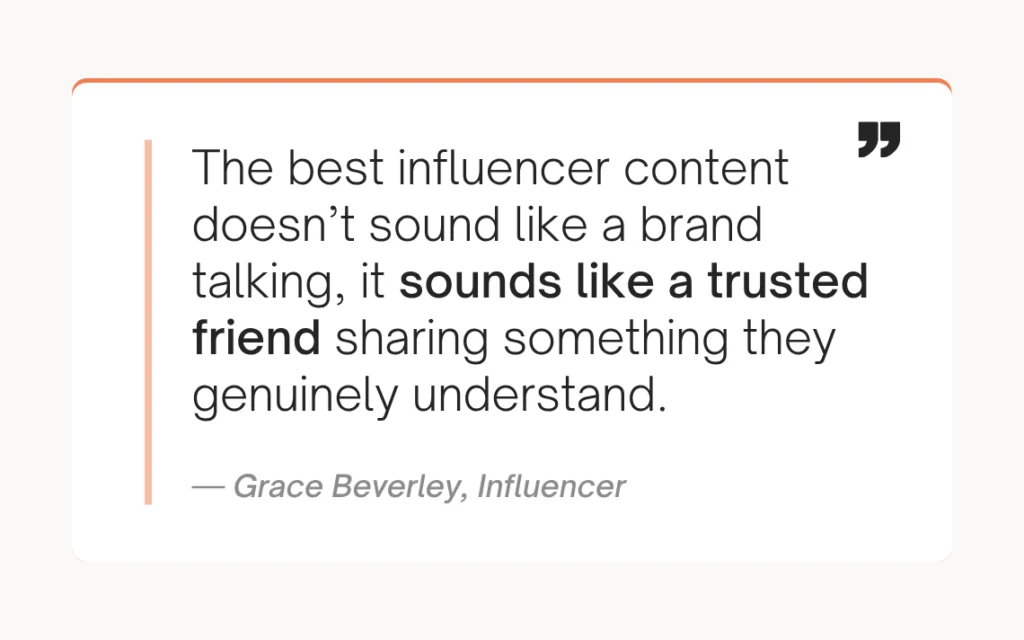
One of the biggest challenges in skincare influencer marketing is the degree of control a brand should have. Too little control leads to inconsistencies and potential compliance issues. Too much control can lead to a lack of authenticity.
The answer is in structured flexibility. Influencer Briefs should outline non-negotiables such as key messaging pillars, approved claims, and necessary disclosures. These help protect the brand and ensure compliance.
However, outside of these requirements, there must be an opportunity for creators to interpret the product in their own way. Skincare content performs best when it appears lived-in. Viewers respond to authentic routines, authentic thoughts, and authentic progress.
Instead of specifying specific language, Influencer Briefs can encourage creators to show how the product integrates with their own daily routine or how their skin has reacted after consistent use. This approach maintains alignment while still allowing for authenticity.
When Influencer Briefs are more collaborative and less dictatorial, relationships with creators also improve. Creators are more likely to value partnerships where they feel valued.
Compliance and Credibility in Personal Care
The cosmetics industry is one where regulations play an important role. The marketing communication that would include anything about acne, anti-ageing, and any other medical qualities must be done very cautiously. It is so since poor preparation of briefs will result in overpromise, something that could negatively impact brand reputation and consumers’ perception of it.
Compliance requirements must be included in the Influencer Briefs at the very beginning. It will include specifying approved language, noting forbidden phrases, and providing information on disclosure. If done correctly and simply, it will not scare but empower influencers.
The beauty products market is one where the customers are highly cynical of over-exaggerated promises. Marketing campaigns that have a balanced and realistic approach towards the product benefits are more likely to foster trust.
Companies that keep compliance requirements in mind from the very beginning not only gain precious time but also prevent delays. Most importantly, they ensure the maintenance of their reputation.
Measuring What Actually Matters
Another domain that can be improved by Influencer Briefs is performance measurement. Most beauty marketing initiatives are measured by vanity metrics only. Although reach and engagement metrics provide some information about visibility, they are not necessarily indicative of commercial success.
Influencer Briefs should specify what success will be measured by and why these metrics are important. If the goal is education, then metrics such as saves and relevant comments may provide some information about intent. If the goal is conversion, then measuring link clicks and promotional code use is a more reliable indicator.
Moreover, most beauty marketing initiatives require long-term storytelling. Outcomes do not happen overnight. Influencer Briefs that facilitate multi-step content planning are more effective than single-step engagement.
Influencer Briefs can help brands ensure that their influencer marketing efforts contribute to long-term growth, not just short-term visibility.
Influencer Briefs: Structuring for Better Outcomes
The way an Influencer Brief is structured is important to execution. A well-written and well-structured brief is easier to understand and minimises the need for back-and-forth communication.
A minimum skincare Influencer Brief should include context on the positioning of the brand, the objective of the campaign, the target audience, and information about the product. This is in addition to information on what is expected, when it is expected, and how it should be reported.
However, structure is not the only consideration. Tone is important. Influencer Briefs should be written in a straightforward and clear manner, without too much industry speak. Influencer Briefs should be able to be scanned and understood quickly by the Influencer, both in terms of what is expected of them and what they can do.
When Influencer Briefs are structured for better outcomes and written in the right tone, the results of campaigns are improved. Influencers understand what is expected of them, why it is important, and how they can help.
Conclusion
Influencer Briefs are not mere paperwork. In the skincare industry, they are powerful marketing instruments that drive perception, performance, and ultimately, brand equity.
If Influencer Briefs are too general, the content brands get may appear appealing but will lack direction. If they are too specific, the content may come off as insincere, and the audience will lose interest. The sweet spot is in clarity, specificity, comprehensive product education, and allowing the creator’s voice to shine through.
Personal skincare brands that work on improving their Influencer Briefs are likely to experience better compliance and performance. Perhaps your skincare influencer marketing campaigns are not performing well. It’s not the platform or the influencer. Maybe it’s time to revisit the brief.